A UFC FIGHT ON THE WHITE HOUSE LAWN. Part 2.
DANA WHITE AND DONALD TRUMP: THE AMERICAN’s Greatest GRIFTERS
The Setup
This was part Wag the Dog and Part Idiocracy.
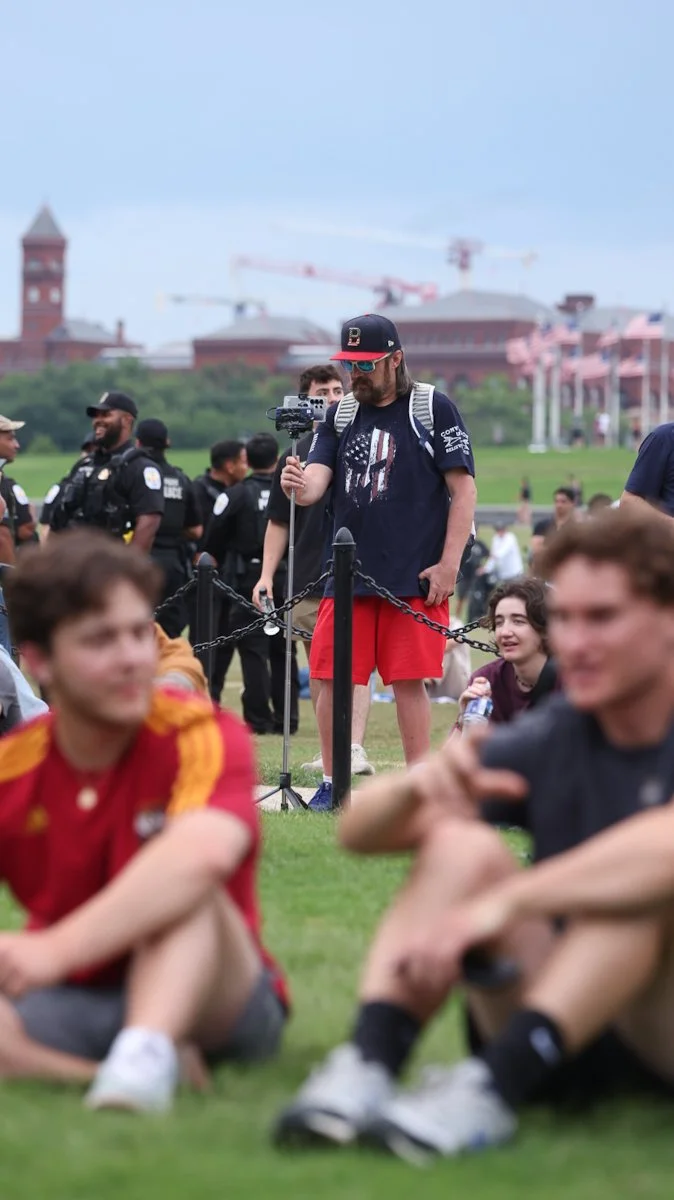
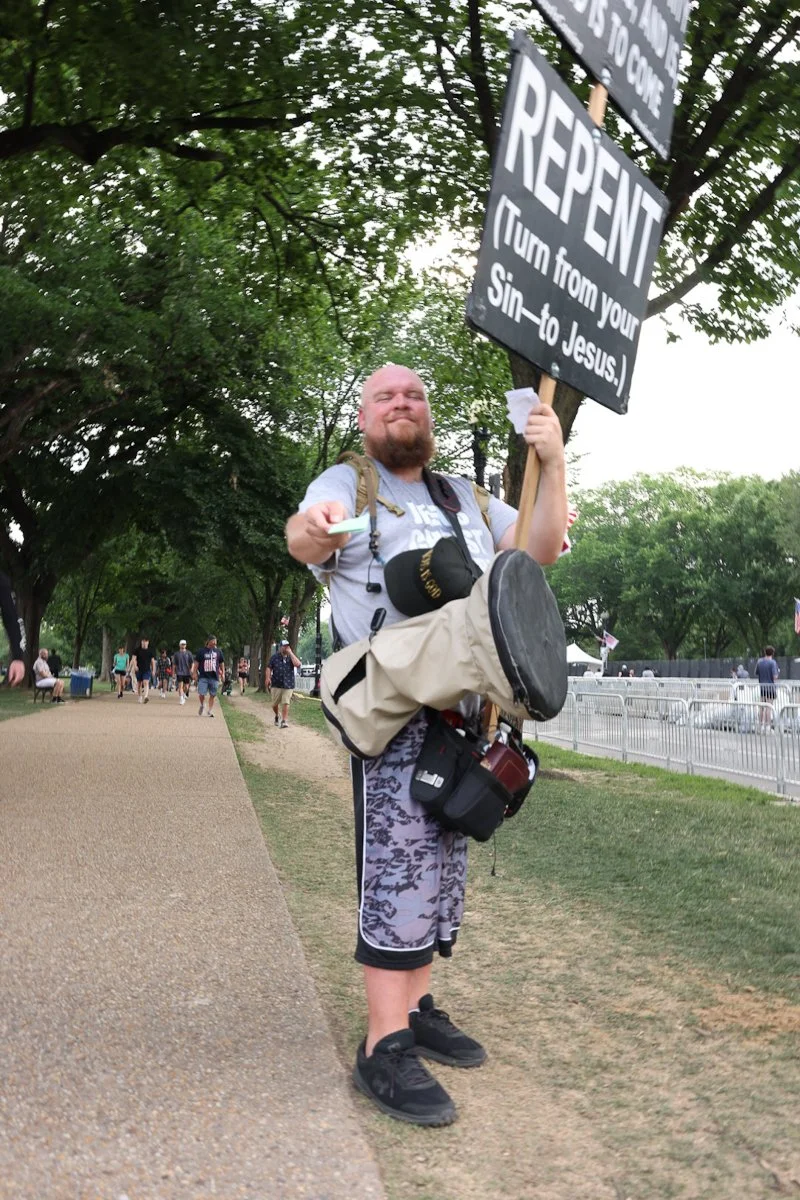
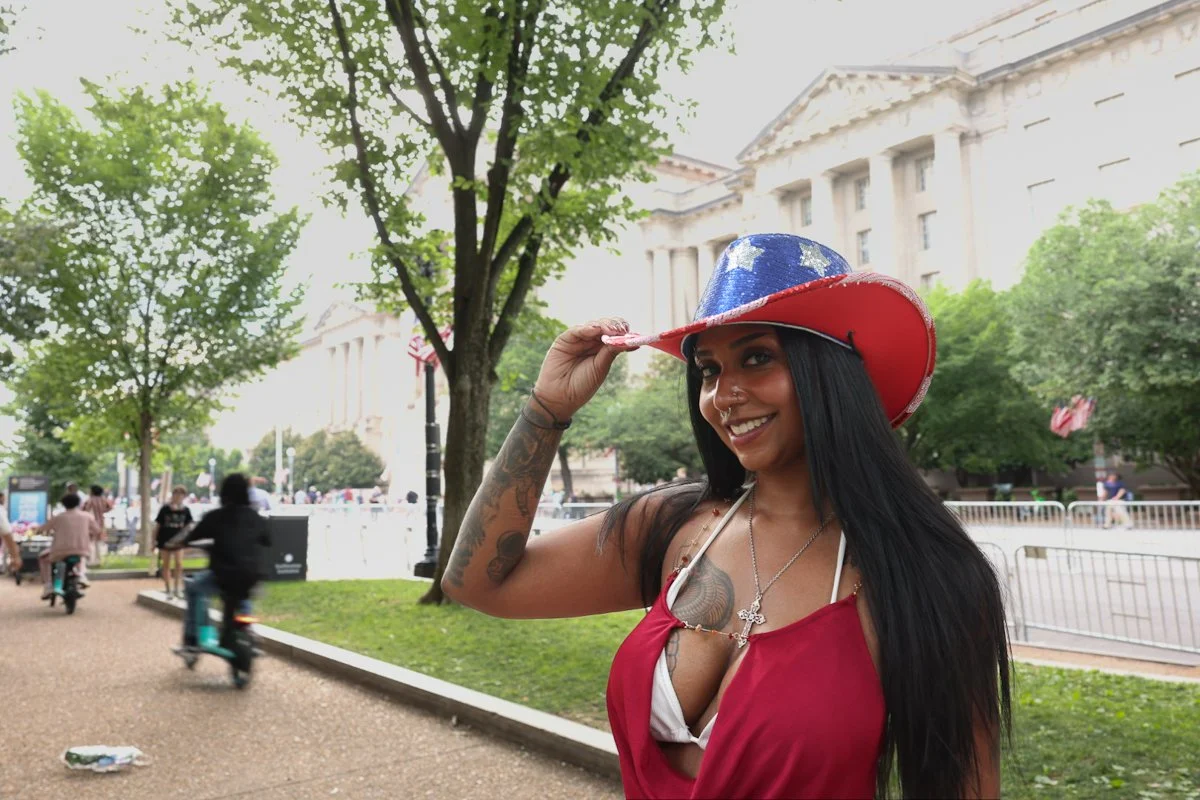
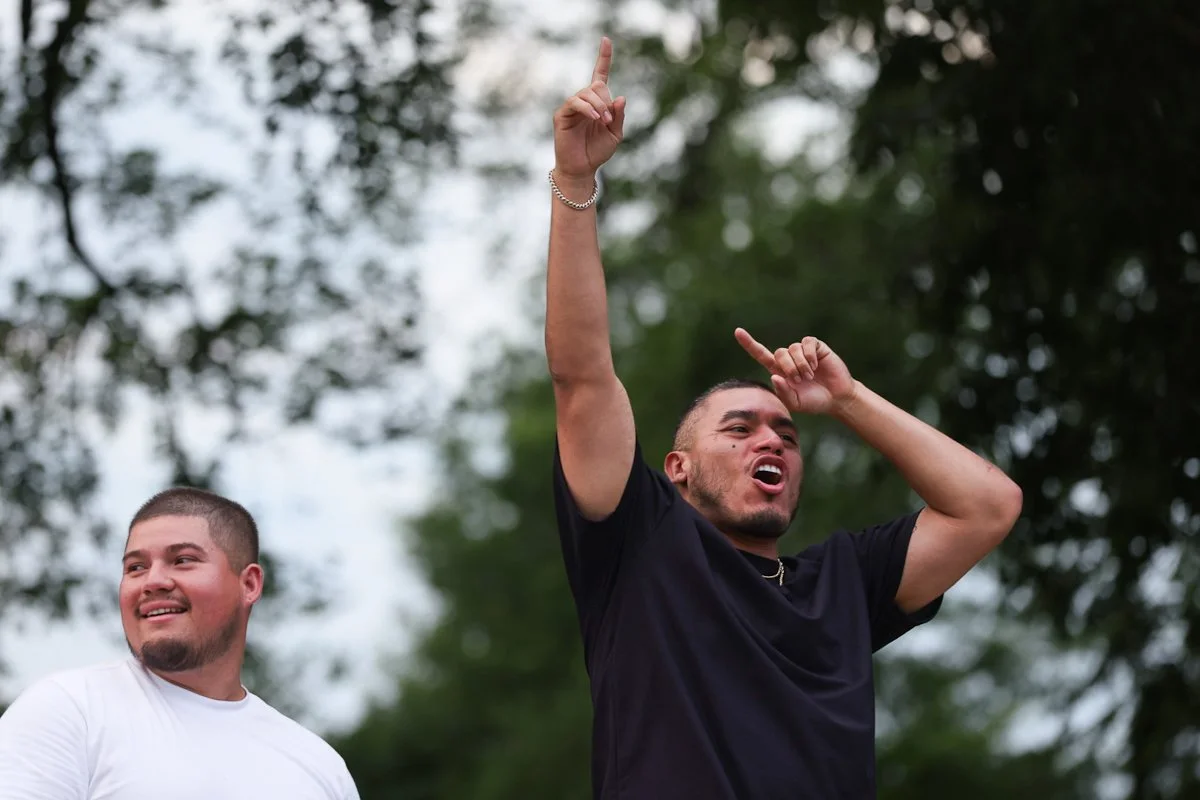
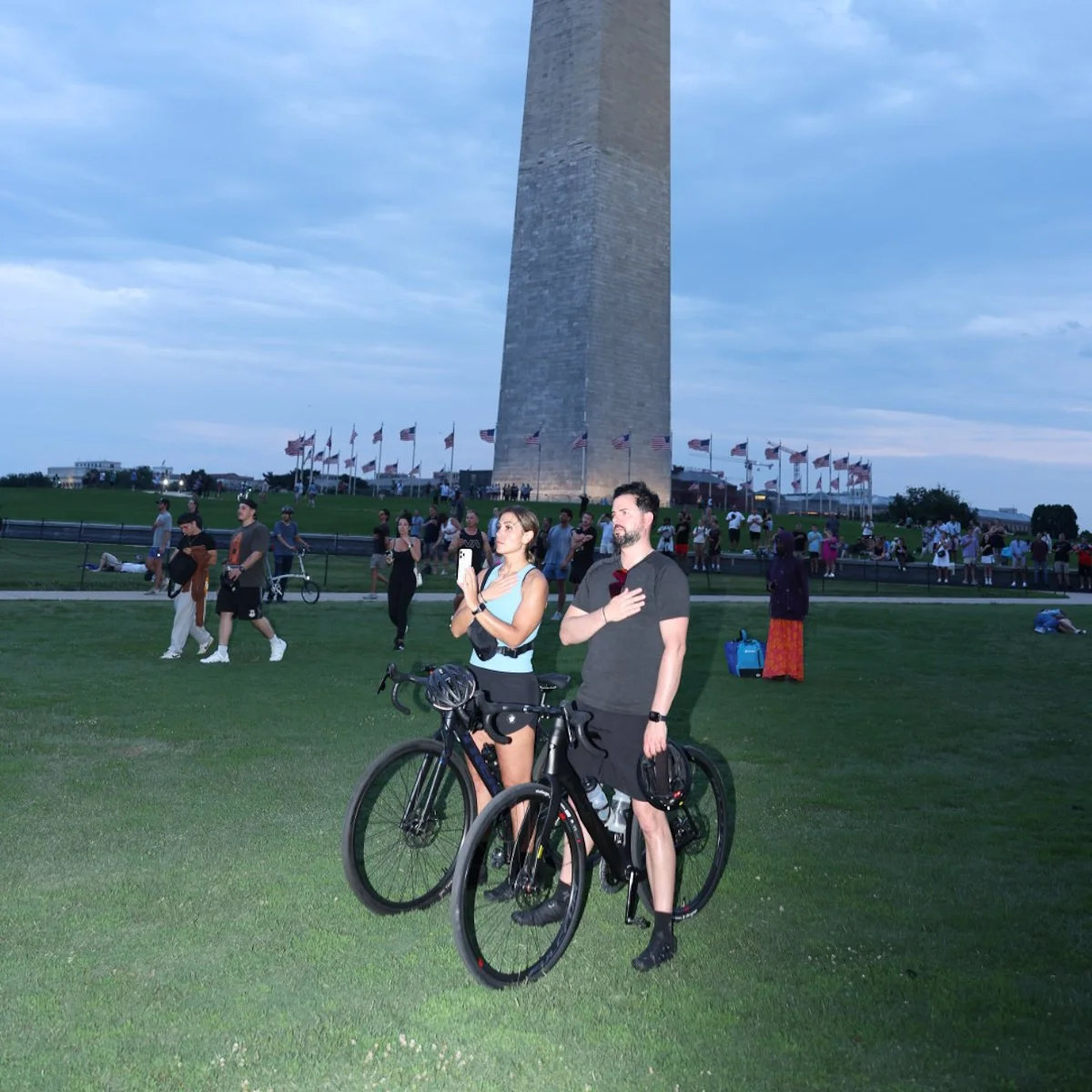
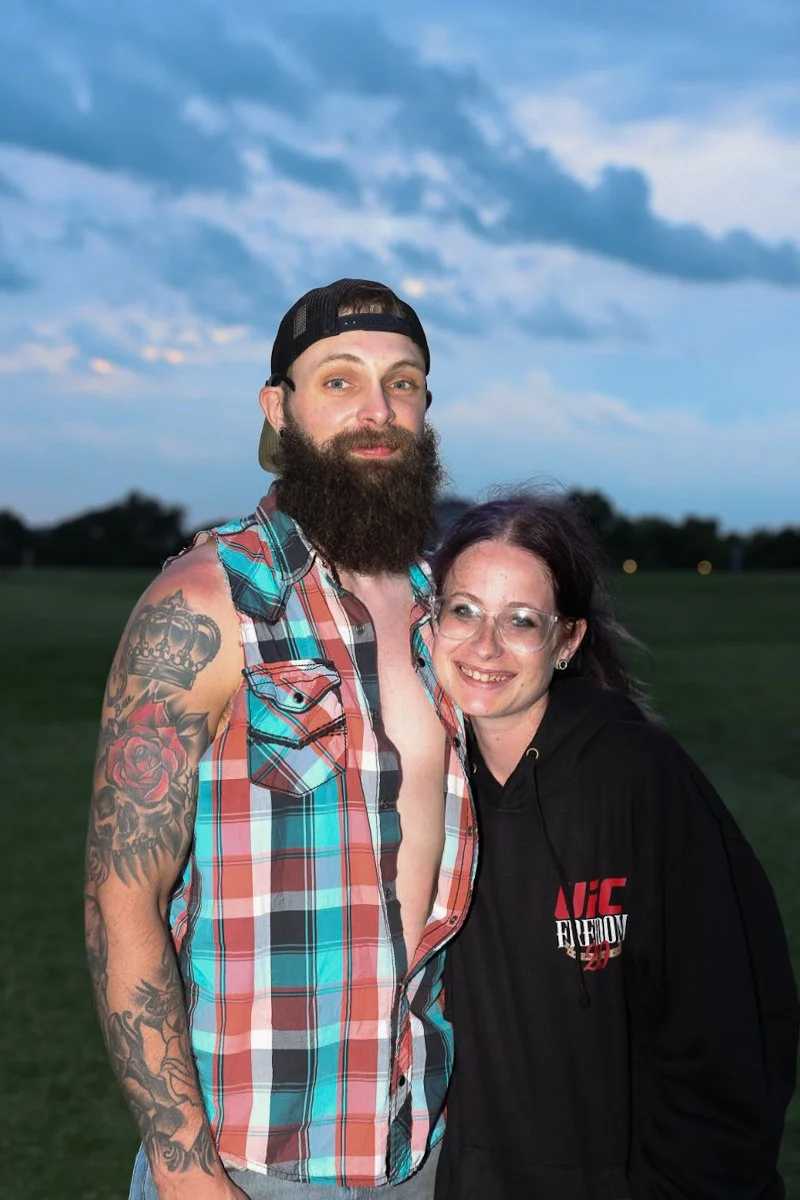
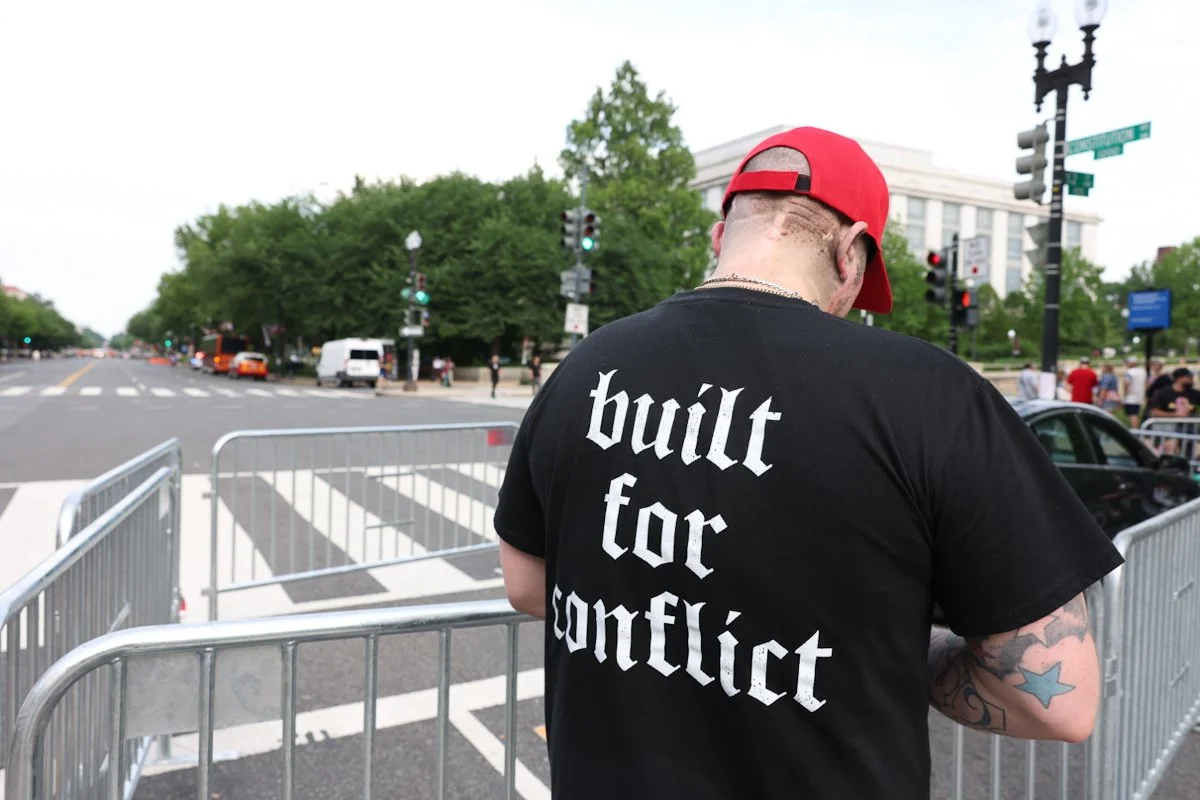
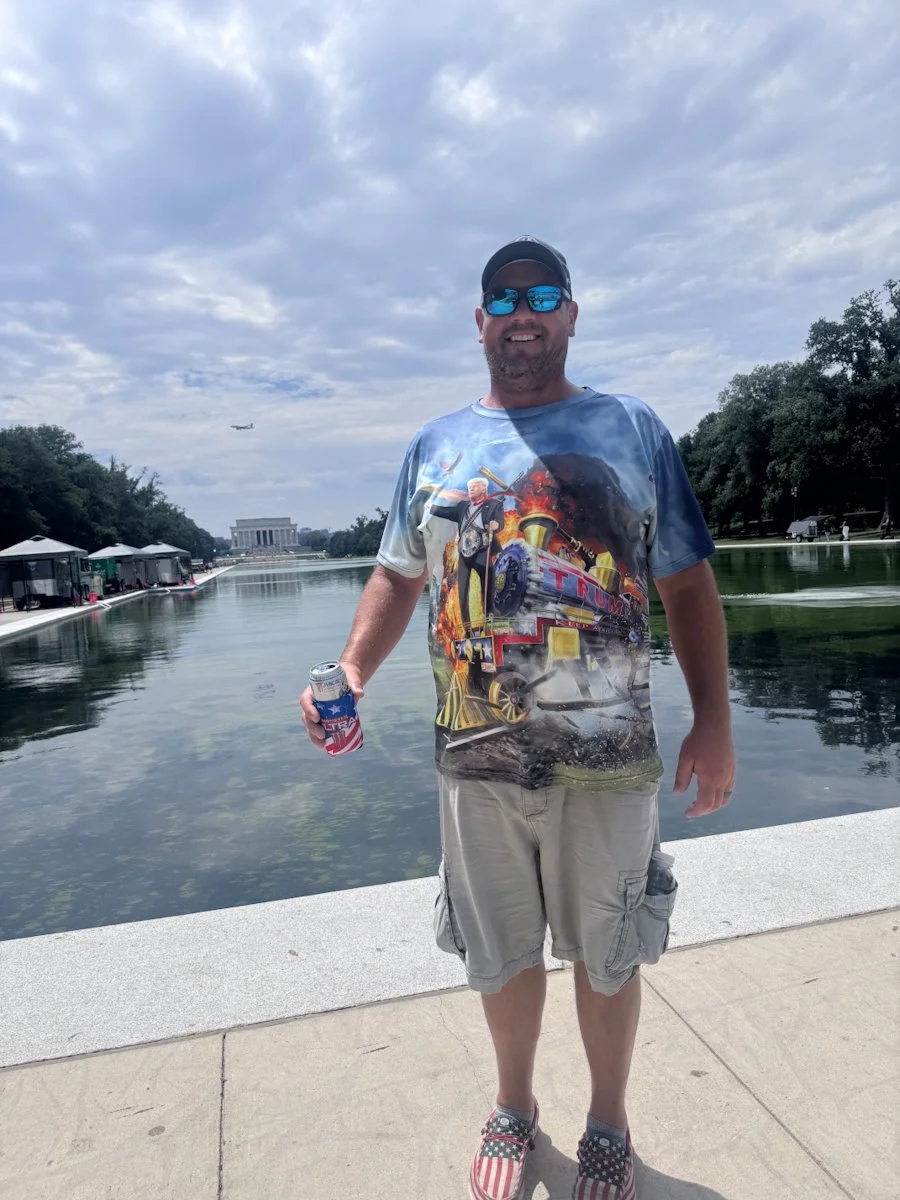
And most of the people I met that day were genuinely hyped to be part of it.
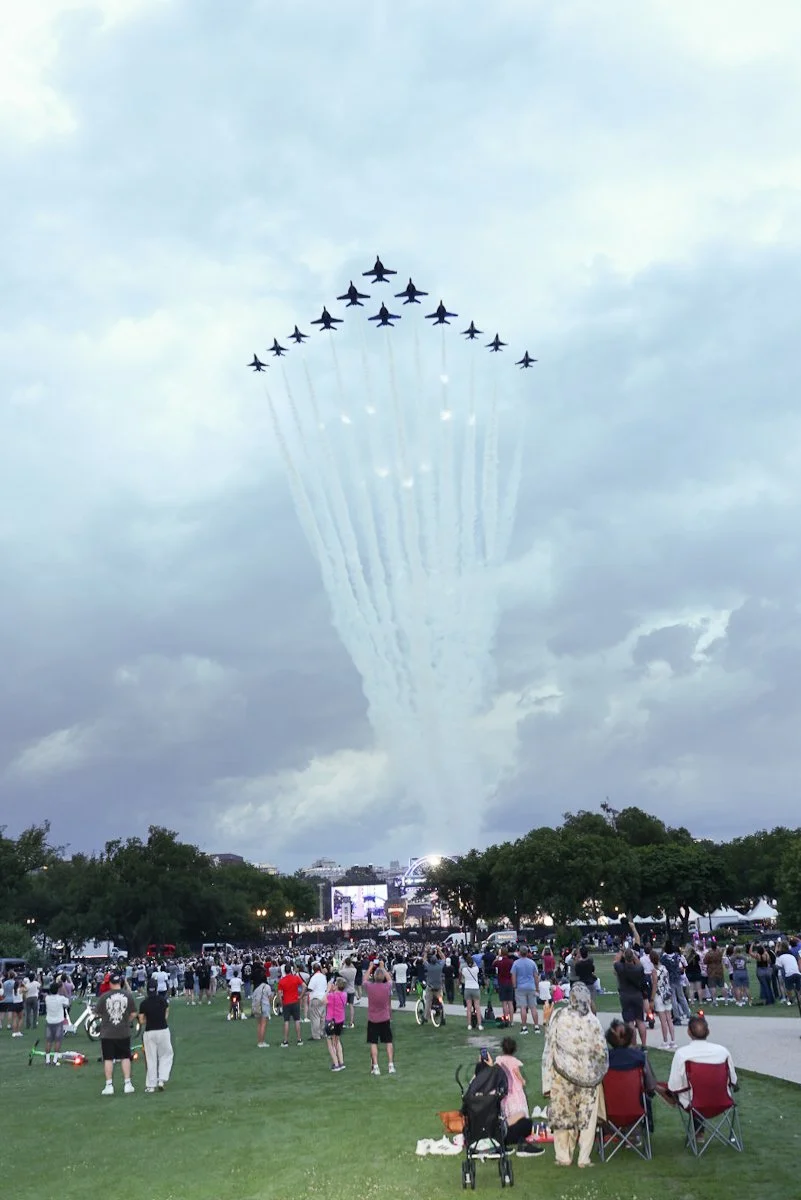
After talking to fans on the lawn and listening to Dana White’s interview with David Remnick at The New Yorker, something finally clicked for me. The event wasn’t just a fight card on historic ground. It was a product being sold by two of the most effective salesmen attached to two of the most recognizable brands in modern American life: Donald Trump and Dana White. They called it a once‑in‑a‑lifetime celebration of America. They described it as historic. And under the cover of “security purposes,” they limited attendance to 85,000 of their most loyal customers and called them Patriots.
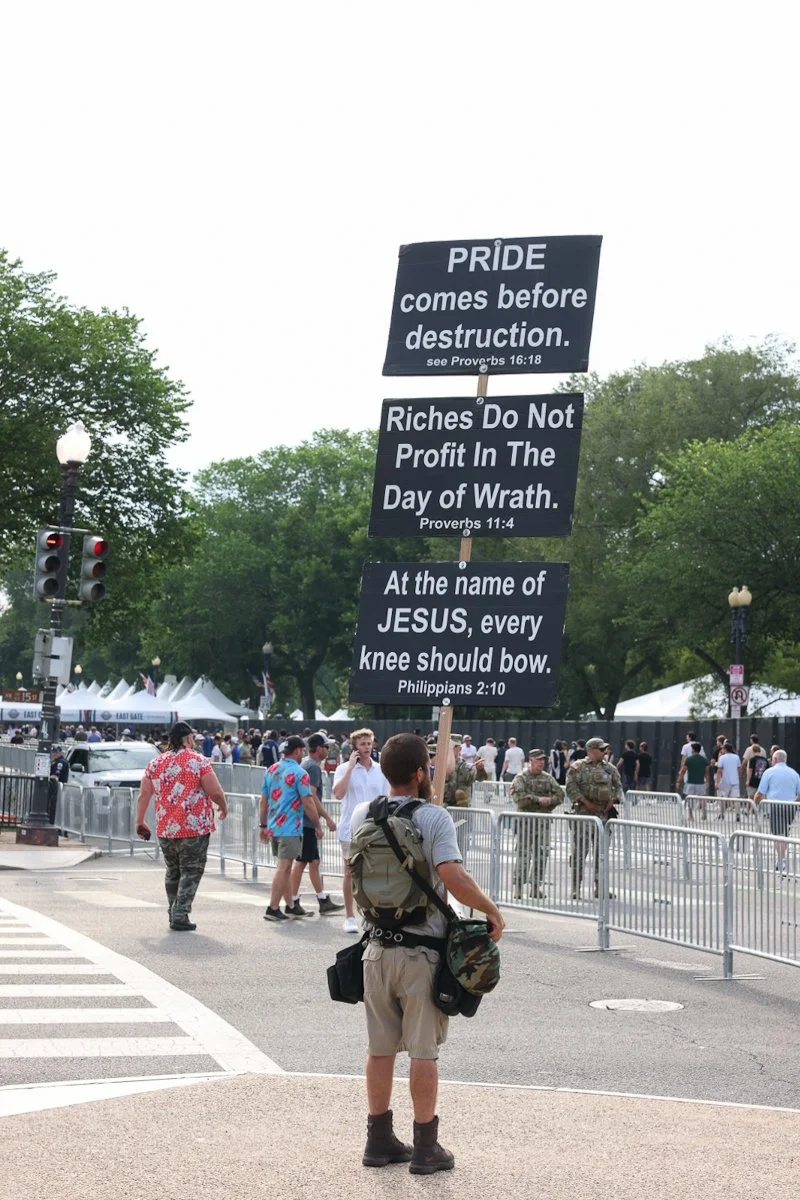
Most of the people I met weren’t thinking about politics at all. The UFC is their escape from the grind. They were excited, earnest, and ready for a good time. They walked right past the American flags, the Turning Point USA logos plastered across the octagon, and the fact that Ticketmaster — recently found guilty of illegally operating a monopoly by 33 federal judges — was the one awarding their tickets. They entered Freedom Fest expecting a party and ended up as the backdrop for a political marketing campaign that, frankly, should worry the rest of us.
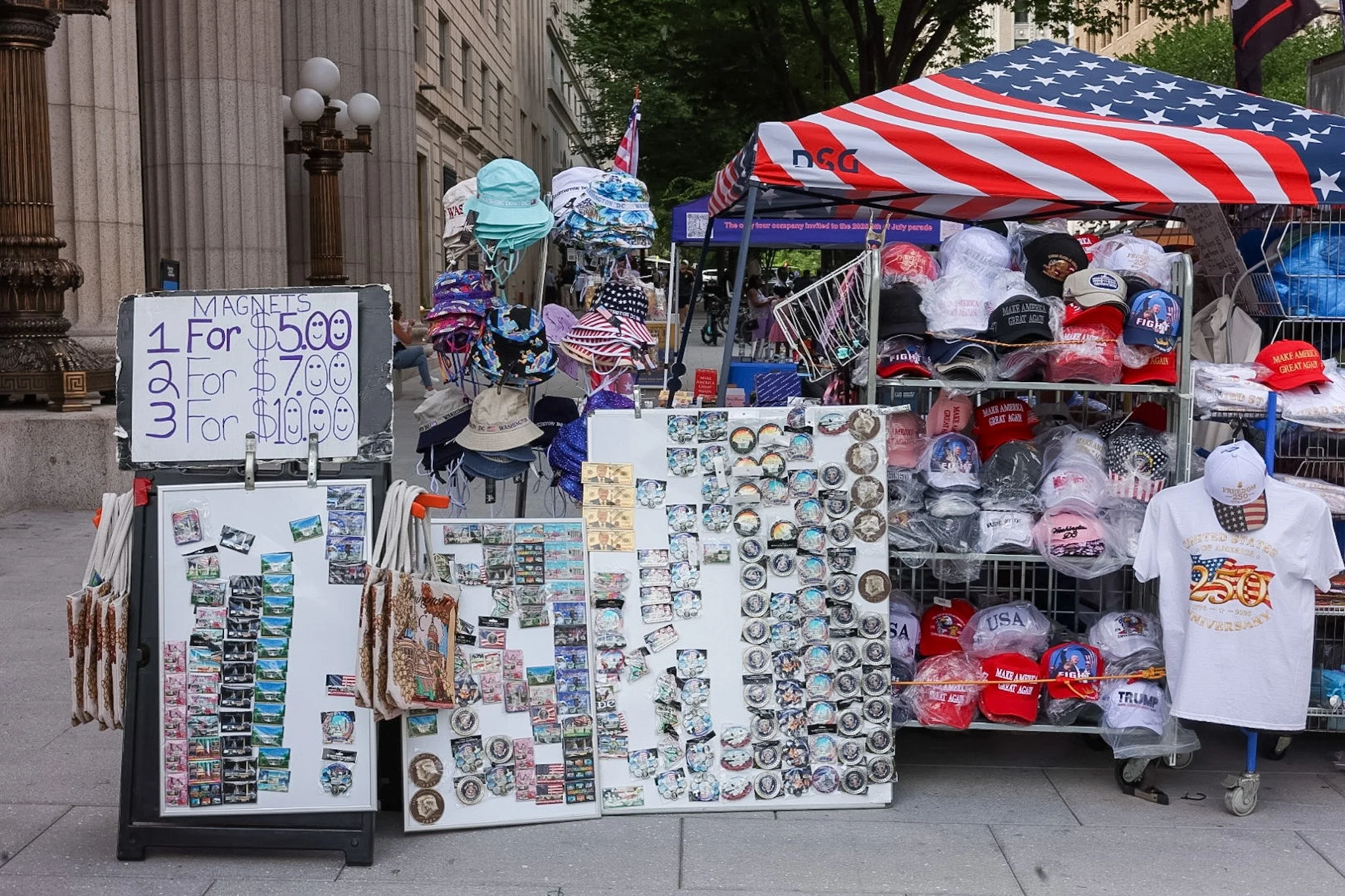
I worked in licensing for nearly two decades, and I can confidently say nothing is more valuable than attaching your brand to a “historic moment.” That’s how brands build the talking points that drive merchandise sales from Walmart to every novelty T‑shirt shop in America. Through that lens, the fights barely mattered. What matters is the publicity. And on that front, Trump and White won. Not the fans.
2. The Transfer
What those 85,000 fans missed was how these two incredibly wealthy men siphoned off wealth from their audience to their brands in real time. Trump pushed memecoins — now a significant part of his family business. Dana White sold more merchandise in one day than he likely ever has. And again, all of it sat under the perfect political cover: America’s 250th birthday.
The part that took me longer to understand was how the UFC itself became the delivery system. In the New Yorker interview, White talks about the “instant energy” when two people start fighting. He says fighting is “in our DNA.” He delivers the comment so matter‑of‑factly that it’s easy to glaze over it, but in doing so, he reveals the architecture of the brand he’s built over 25 years — a brand that naturally aligns with Trump’s projection of strength, dominance, and being “a fighter.”
To back up a bit, their relationship didn’t start in politics. White’s first UFC event as president — UFC 30 in 2001 — was held at Trump’s Taj Mahal. Trump is legitimately a fan of this stuff and honestly… that’s fine. That might be the most normal thing about the guy. But, in my opinion, he crossed the line when he allowed it to become political. Despite White’s repeated claims that the event wasn’t political, or that his motivations aren’t political, that’s all this was. White even endorsed Trump in a speech at the Republican National Convention. Fast‑forward 25 years, and Dana White has built and sold a brand for $12 billion while sitting next to a man whose former business was building businesses based on his name — and who is now arguably running the country into the ground.
3. The Turn
Over two decades, White turned the UFC from a sport into an identity. The fights stayed real, but the worldview around them — the grind, the toughness, the manosphere — became the product. Attending this fight was historic, and everyone who had a ticket knew they were going to be part of a big moment. And once you build that kind of loyalty, you can take it anywhere. Including the White House lawn.
Most people who showed up that day didn’t sign up to be political props. They were there because they love the sport. But that’s how alignment marketing and licensing works. It feels like your thing — until someone else decides where your thing goes.
Trump and White used the most iconic piece of public real estate in the country, paid for by all Americans, hosted a private party dripping in patriotic pageantry, and turned it into political propaganda for their own enrichment. Full stop.
Joe Rogan — the man whose podcast gave Trump one of his most effective platforms — even called the White House fight a gimmick. When TIME asked Trump about it, he said: “At first I thought, ‘That’s not nice.’ And then I realized, it is a gimmick. Life is a gimmick, if you think about it, right? But it’s a good gimmick.”
That’s the whole story in four sentences.
The Point
It wasn’t a fight. It was a transaction. And the fans who loved it the most were too entertained to notice they were left with the bill.