Bouklao Cairo’s Skate Punk Tattoo Artist
Ziad Asraf
Skater, Bassist, Tattoo Artist, Cairo's Only Punk
In 2023 I flew to Egypt with a camera, a backpack, and the kind of naïve confidence that only comes from not knowing what you don't know. I wanted to document the skate scene — to understand what it's like to be a skater in a conservative Muslim country — and I assumed the process would be simple. I found a couple of skateparks on Google Maps, checked out a few shops, and figured I'd show up and be surrounded by kids doing kickflips.
I was wrong.
Spectacularly wrong.
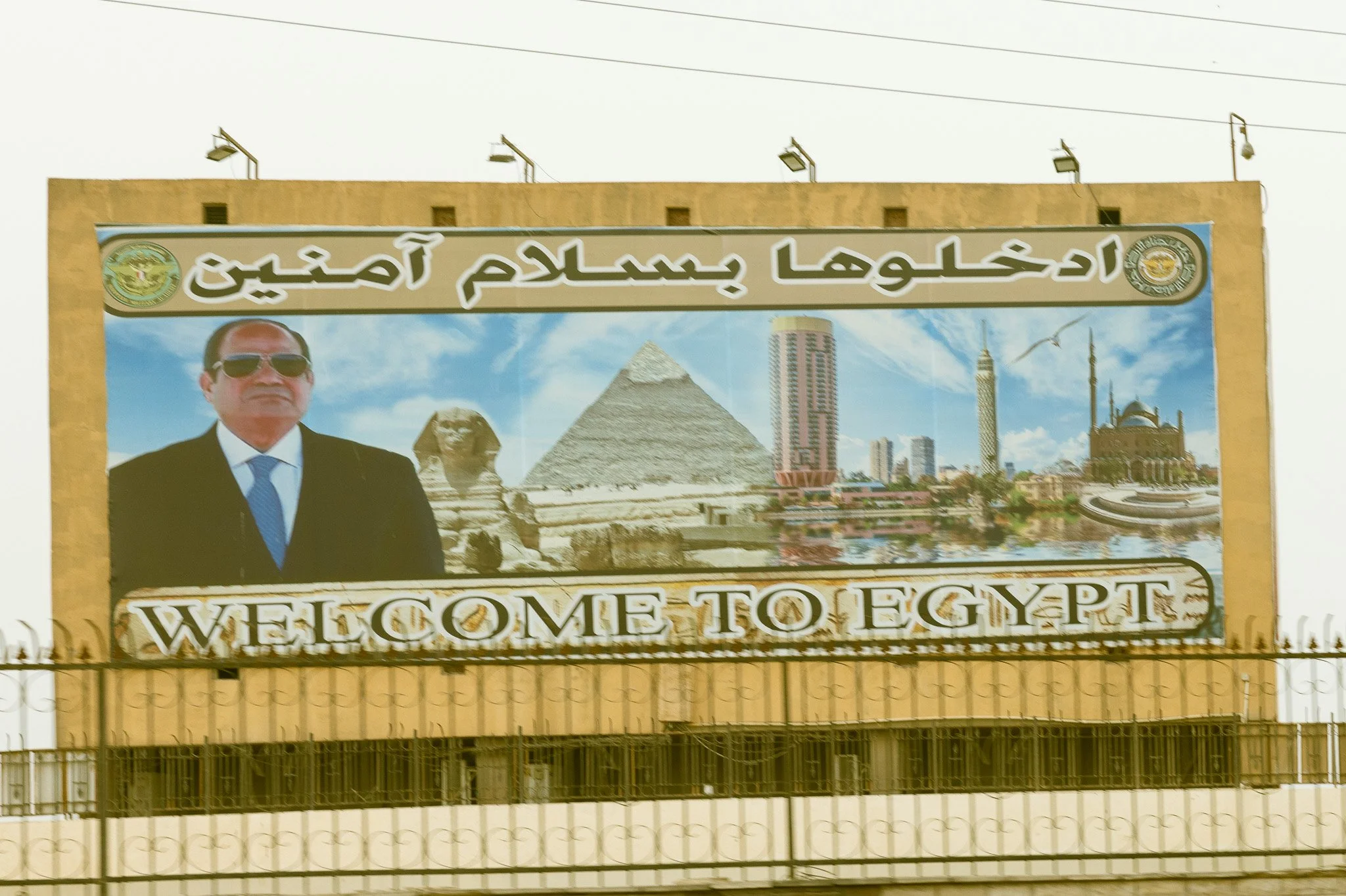
What I actually found was a tiny, scattered community navigating a city where public space is heavily policed, where "unofficial gatherings" can get you detained, and where the idea of a skatepark full of teenagers is more fantasy than reality. It was a humbling introduction to documentary work: your subject doesn't reveal itself just because you show up with a camera.
Fast forward two years, and I met one of the people who finally made the whole picture click into place.
“I’m not a very good muslim”
- Bouklao
^photo credit Dosio Charelene
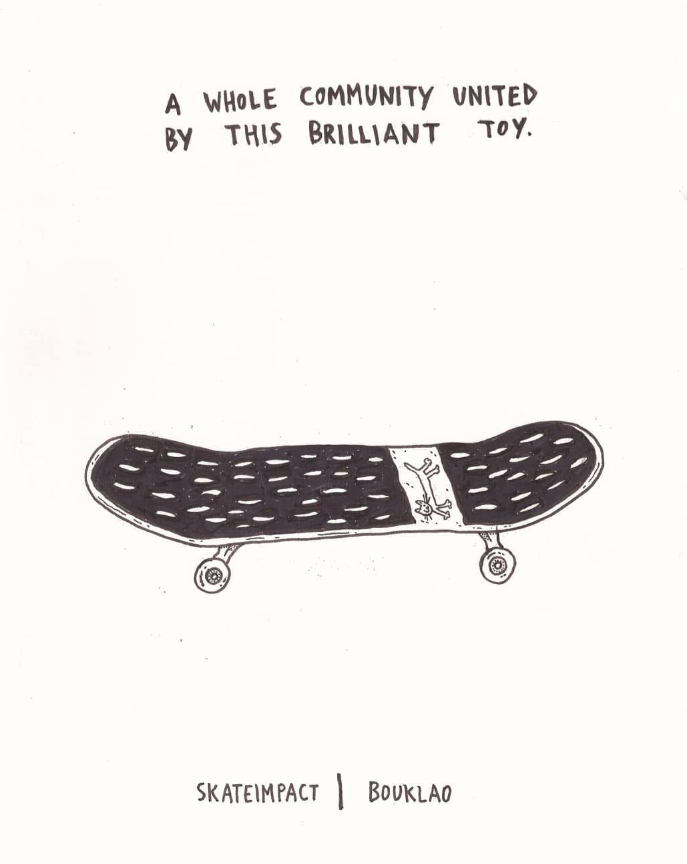
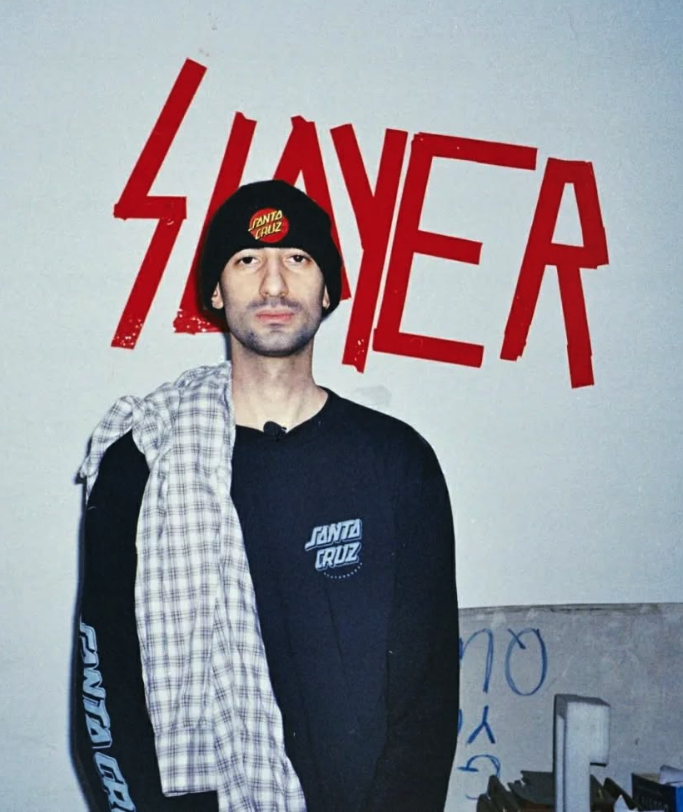
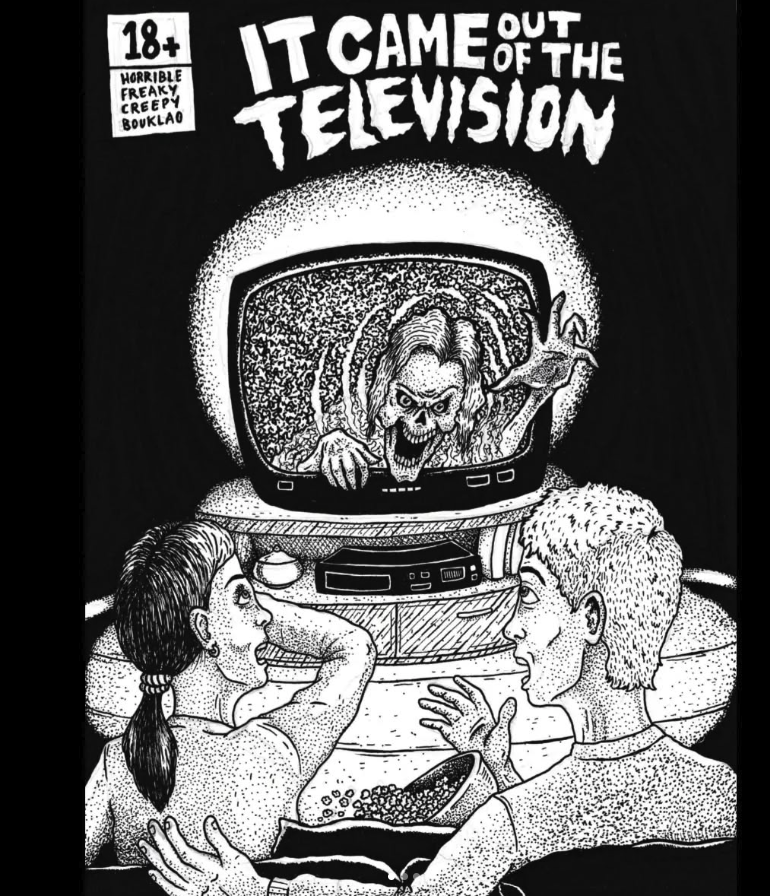
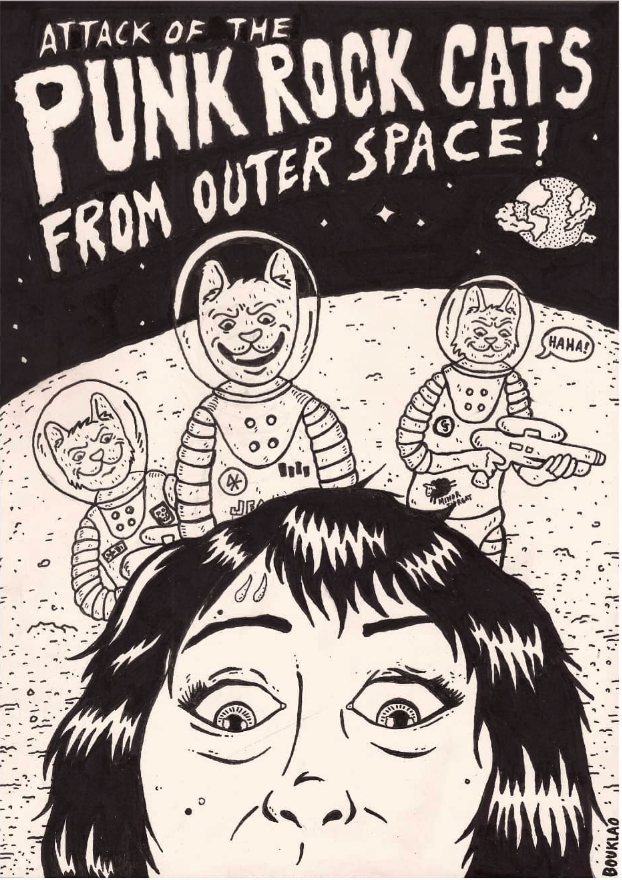
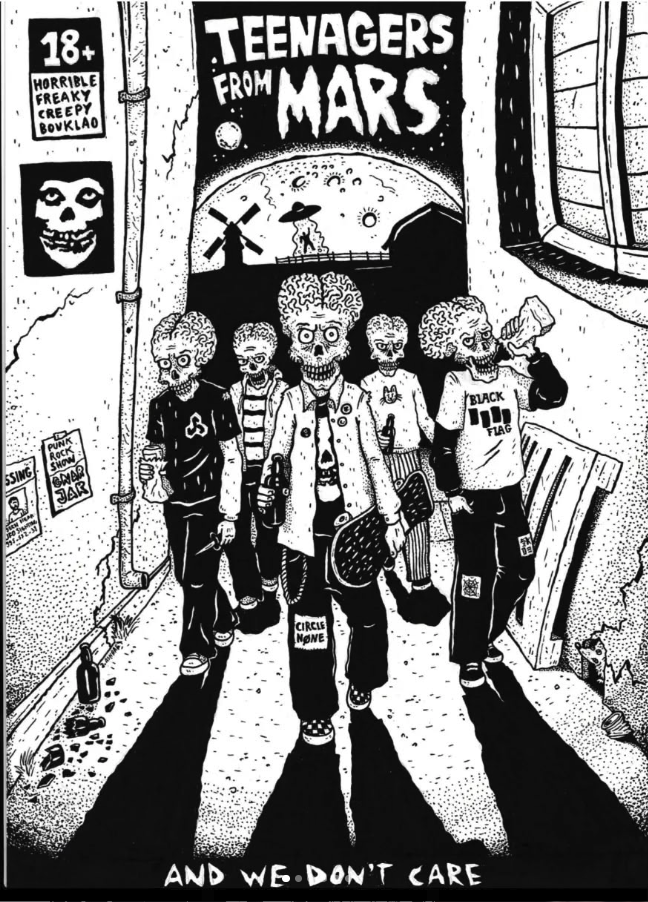
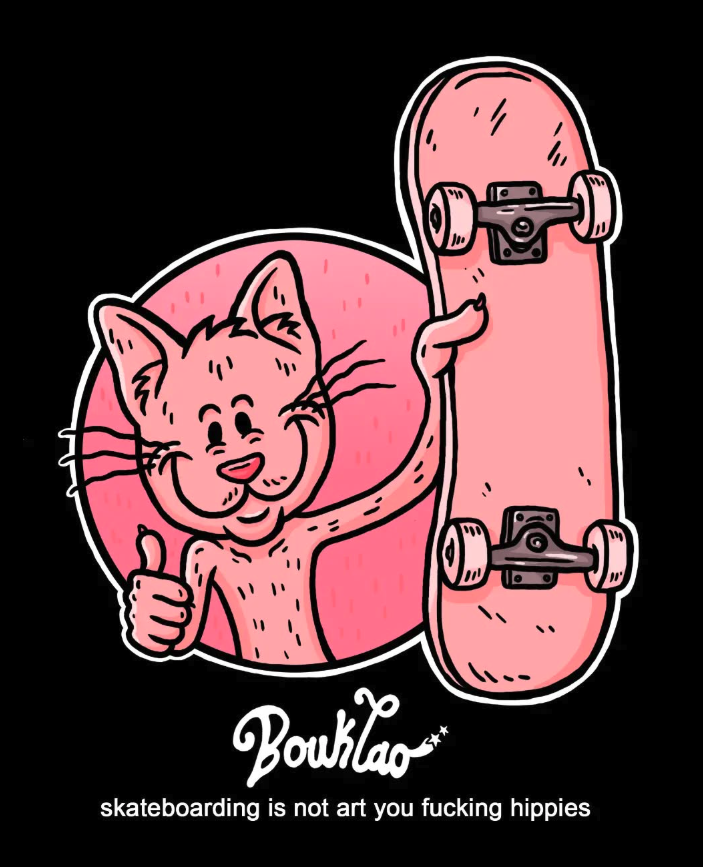
Ziad Ashraf — better known by his artist name Bouklao (boo-kl-ow) — is from Alexandria, though he's spent the last several years splitting his time between there and Cairo. He skates. He plays bass and sings for Gnar Jar, Egypt's only skate-punk band. He tattoos. He makes illustrations that look like a wild collision between Hergé and Robert Crumb with a Raymond Pettibon attitude — loose, restless, just a little confrontational. The imagery draws from his cat, also named Bouklao, still living in Alexandria with his mom.
He's also, by his own account, a bad Muslim.
"I'm a Muslim," he told me, "but I'm not a very good one."
In Egypt, the cops are literally everywhere. That sentence is not a throwaway line.
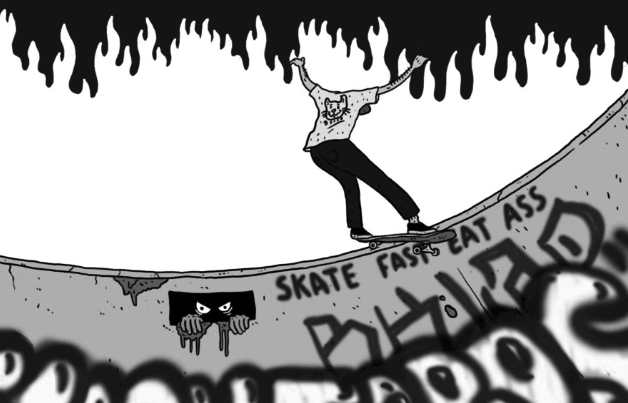
Growing up, Ziad was the kid in class who could draw. His early style took shape around 2005, when he started skating and discovered the graphic language of World Industries and Blind Skateboards — the Grim Reaper, the Flame Boy, that whole irreverent cartoon vocabulary that American skate companies built their identities on in the '90s. His illustration work still carries that DNA, even as it's become something distinctly his own.
Punk came through the same door.
"My introduction to punk was the Tony Hawk Pro Skater video games," he said. "I think it was Rock and Roll High School by the Ramones. That was by far my favorite song in the game."
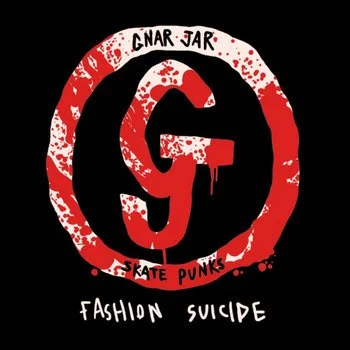
From there, Limewire. The Sex Pistols, Circle Jerks, Dead Kennedys, and everything that sounded or looked like them. By 2018, he was ready to turn to his friend Amin Reda with the only logical next question: Want to start a band? Together they formed Gnar Jar — the first skate-punk band in Egypt. They've released a handful of singles, an animated music video Ziad drew himself, and a demo recorded entirely on a Samsung phone.
"Recording our demo was so much fun," he said. "The process of recording it was what made it so cool."
That's about as punk as it gets.
What's it like being the only punk band in a city of 22 million people?
According to Ziad, the math is brutal before you even pick up an instrument.
"It's individuals — really just a small group of people. There is no punk club, just a jazz bar that occasionally allows other music. I can count the number of people on one hand that I know who like punk and can play an instrument."
Five. In a city bigger than New York and Los Angeles combined.
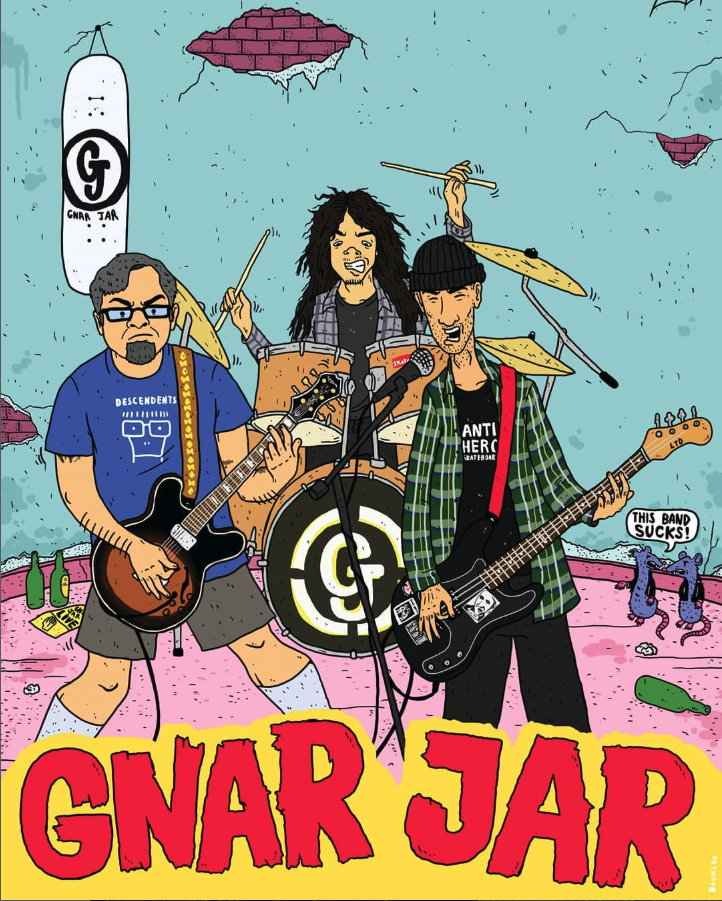
And even those five are hard to hold onto. The drummer from Gnar Jar now lives in Berlin. "Most of them, at some point, leave Egypt," Ziad said. "Try to go to the Western world." It's a pattern that repeats across every underground scene in Cairo — the people most committed to something different are often the same people most likely to eventually go somewhere that makes that possible.
Then there's the infrastructure problem. Musical instruments are expensive relative to the average Egyptian income. Finding time to learn them — when you're working constantly just to survive — is harder still. And in a city this size, logistics become their own obstacle: a drummer from Giza, a bassist in Nasr City, a practice space somewhere in between. That's an hour and a half each way. The commitment to simply exist as a band requires a level of stubbornness that most musicians in the West will never have to think about.
Getting a show is a different battle entirely.
"We really struggled to get a show at any venue," Ziad told me. "No venue would accept our music."
Since the 2011 revolution, Egypt's government has leaned heavily on laws against "unofficial gatherings" — a category vague enough to cover everything from protests to a group of friends with guitars. When you get arrested here, there's no comforting illusion of due process. You're simply in the system, and the system doesn't explain itself. That reality sits underneath everything a band like Gnar Jar tries to do — not as a dramatic backdrop, but as a plain, daily fact.
Their solution was to throw their own shows. But once — out of pure desperation to play anywhere, to anyone — they pulled something bolder. A jazz band they knew had a restaurant booking. Gnar Jar asked to open the set. The restaurant, doing its due diligence, asked to hear a sample of the music.
They sent the jazz band's music.
"They accepted the jazz band," Ziad said. "We never sent our music. It was a surprise."
What followed was a punk set performed at full volume for a room full of middle-aged families who had absolutely not signed up for this. The families sat frozen. Ziad was the only person standing — jumping around, doing all of it — while everyone else in the room, including his own bandmates at their instruments, remained perfectly, uncomfortably seated.
"It was one of the most embarrassing things," he said.
He said it and moved right along.
When I asked what he thought was important about doing all of this — about being different, staying committed — he gave me the most honest, least romantic answer he could.
"Do what you want to do," he said. "I mean, it's too cliché to say 'regardless of what people think' — but really. Even punks, if you want to do pop punk and the hardcore punks say that's lame, singing about love — if you want to do it. Do it. You know?"
Gnar Jar has at least six recorded songs waiting on the other side of a distance and a schedule — Amin's in Berlin, trying to work and study, and there's no timeline for when any of it gets finished. The animated music video exists. The Samsung demo exists. The cat exists, in Alexandria, with his mom.
Ziad keeps tattooing. Keeps skating. Keeps making punk music in a place where punk barely exists.
What that costs him, day to day, is his business. What it looks like from the outside is someone who found something — in a Tony Hawk video game, on Limewire, in the art of a cartoon Grim Reaper on a skateboard deck — and decided it was worth the trouble.
In Cairo, that's not nothing.
Gnar Jar's music is available online. Ziad's illustration and tattoo work can be found on Instagram.
