Egypt’s First Skater.
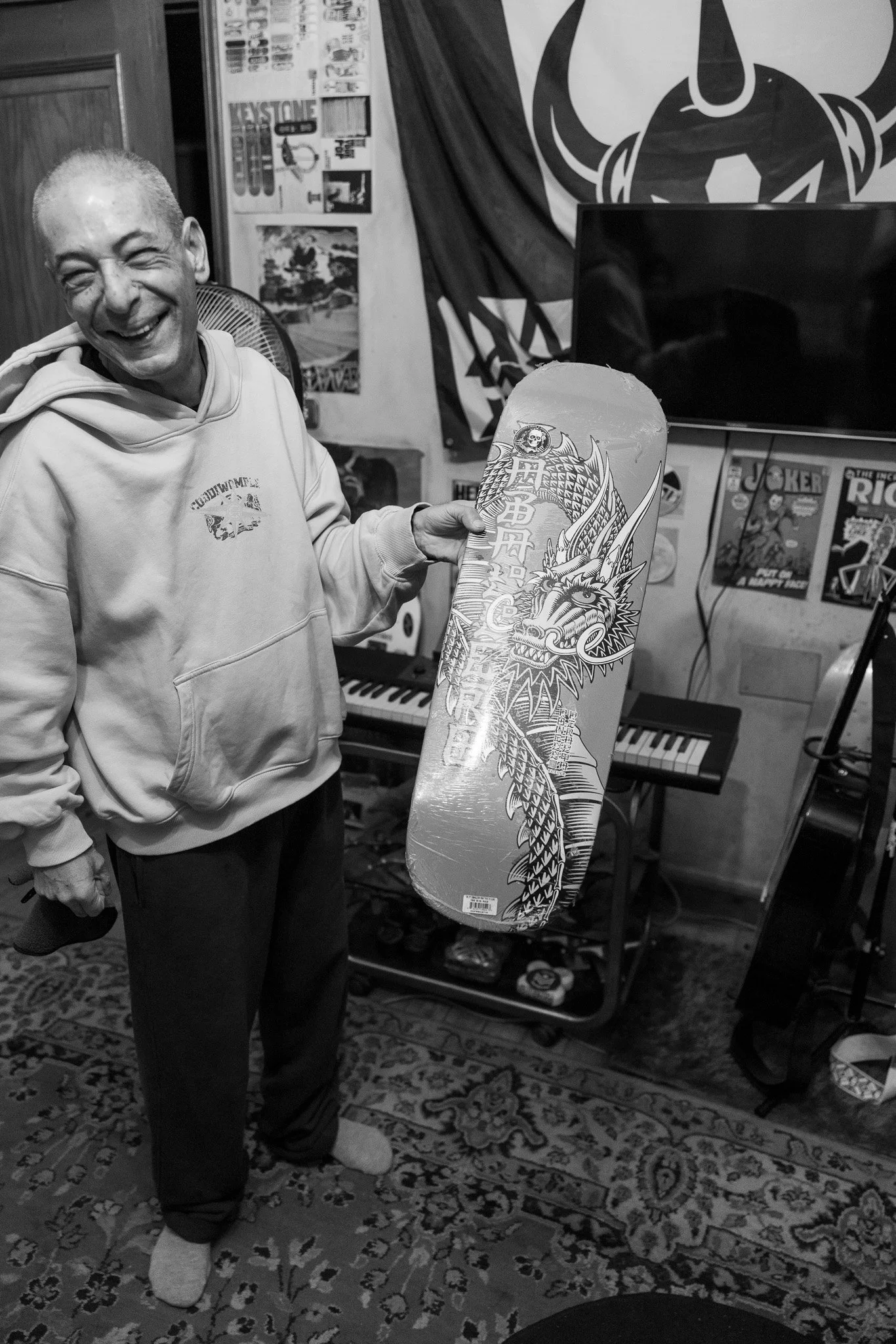
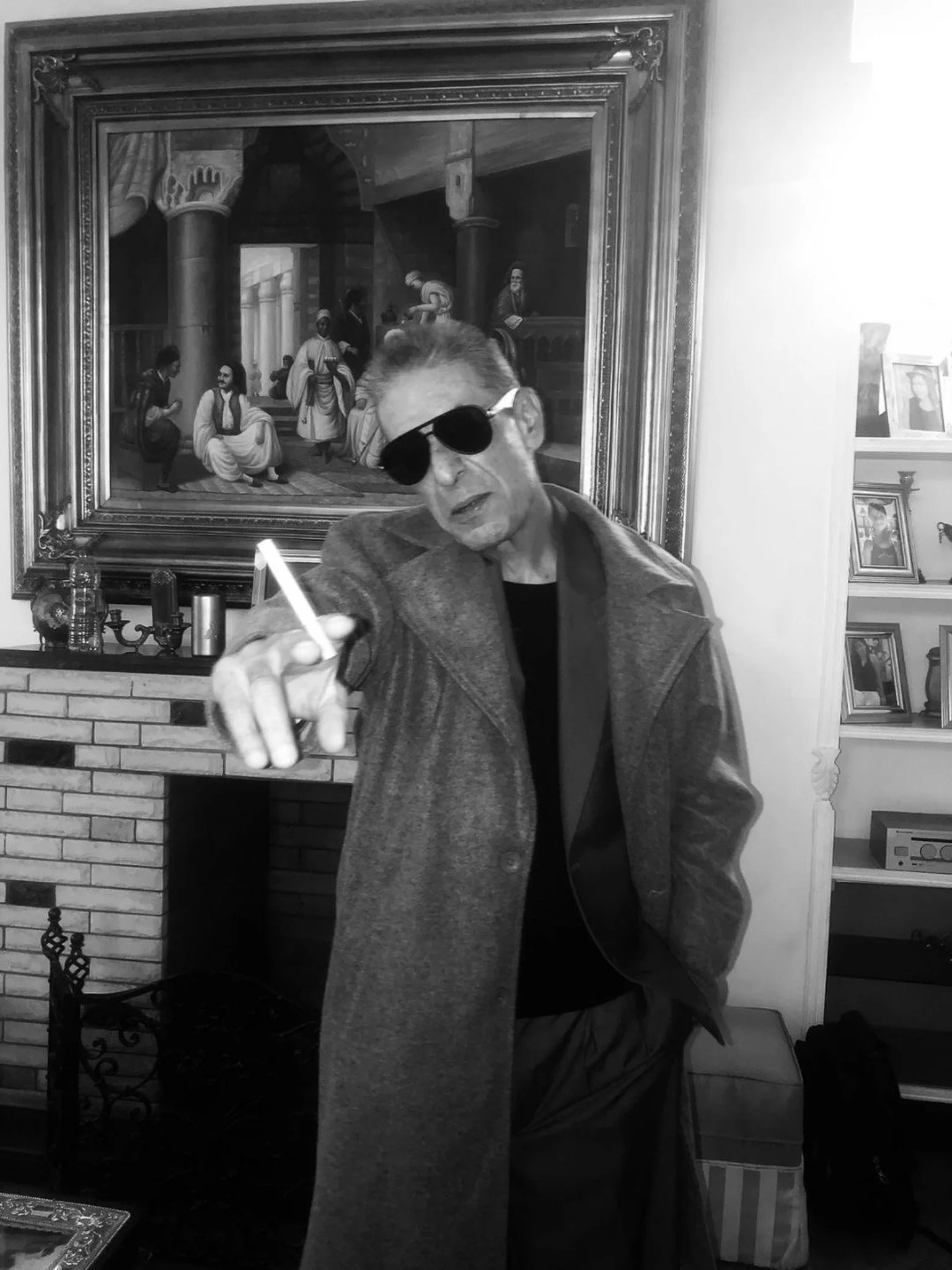
Mo Kamel
Screw the Pyramids. Mo is Egypt’s national treasure.
Mo Kamel: Skater, Elder Statesman, The Man Who Started All of This
Everyone I'd met in Cairo's skate scene — Yehia building Amulet from a small shop in Heliopolis, Ziad grinding out punk songs on a Samsung phone — traced their connection to skateboarding through a web of borrowed boards, imported magazines, and older guys who'd been around long enough to show them the way. At some point, the threads all seemed to lead to the same place.
Mo Kamel was there before any of it.
His story starts not in Cairo, but in France, in 1976. He was a kid in a toy shop with his grandmother when he saw it: a red plastic board with primitive bearings and polyurethane wheels. "I asked my grandma to buy me one," he remembers. It was the beginning.
Mo grew up in a family that traveled. Summers in Europe, relatives abroad — those trips put him in contact with skateboarding years before it had any foothold in Egypt. His first real setup came from France too: an Alva board with Lazer trucks and green Kryptonics wheels. He didn't negotiate for it or research it. "Whatever you get, you skate," he says.
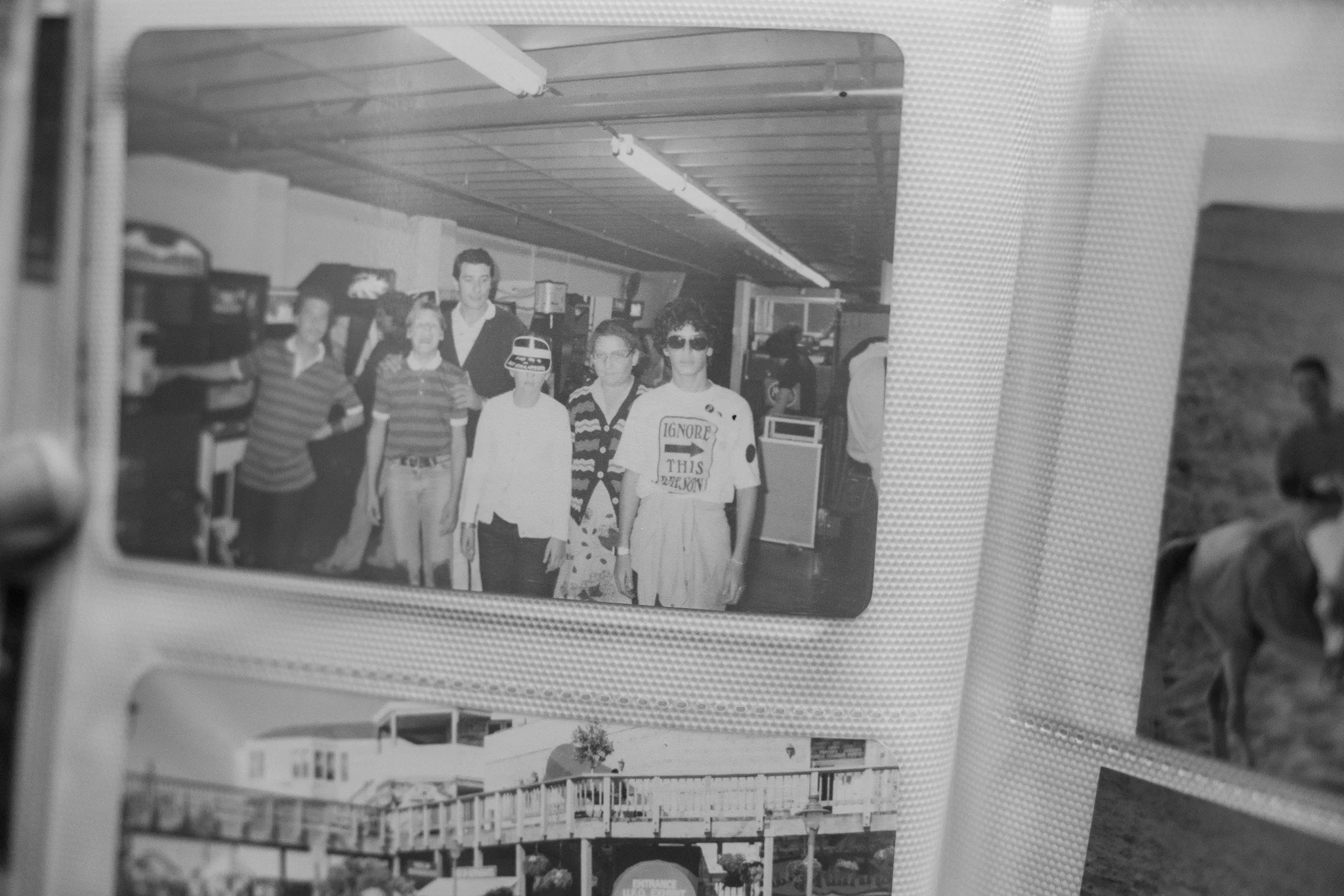
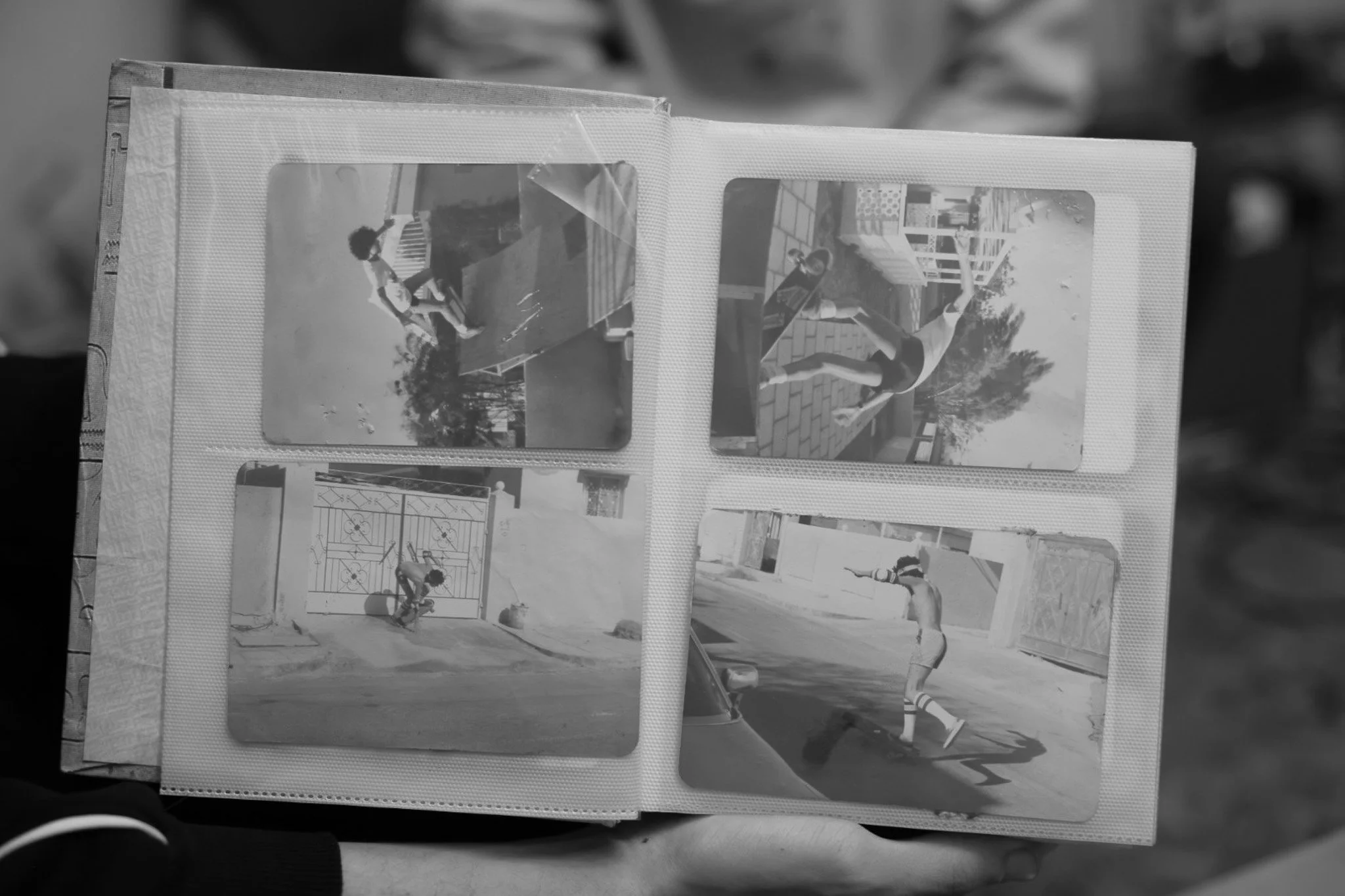
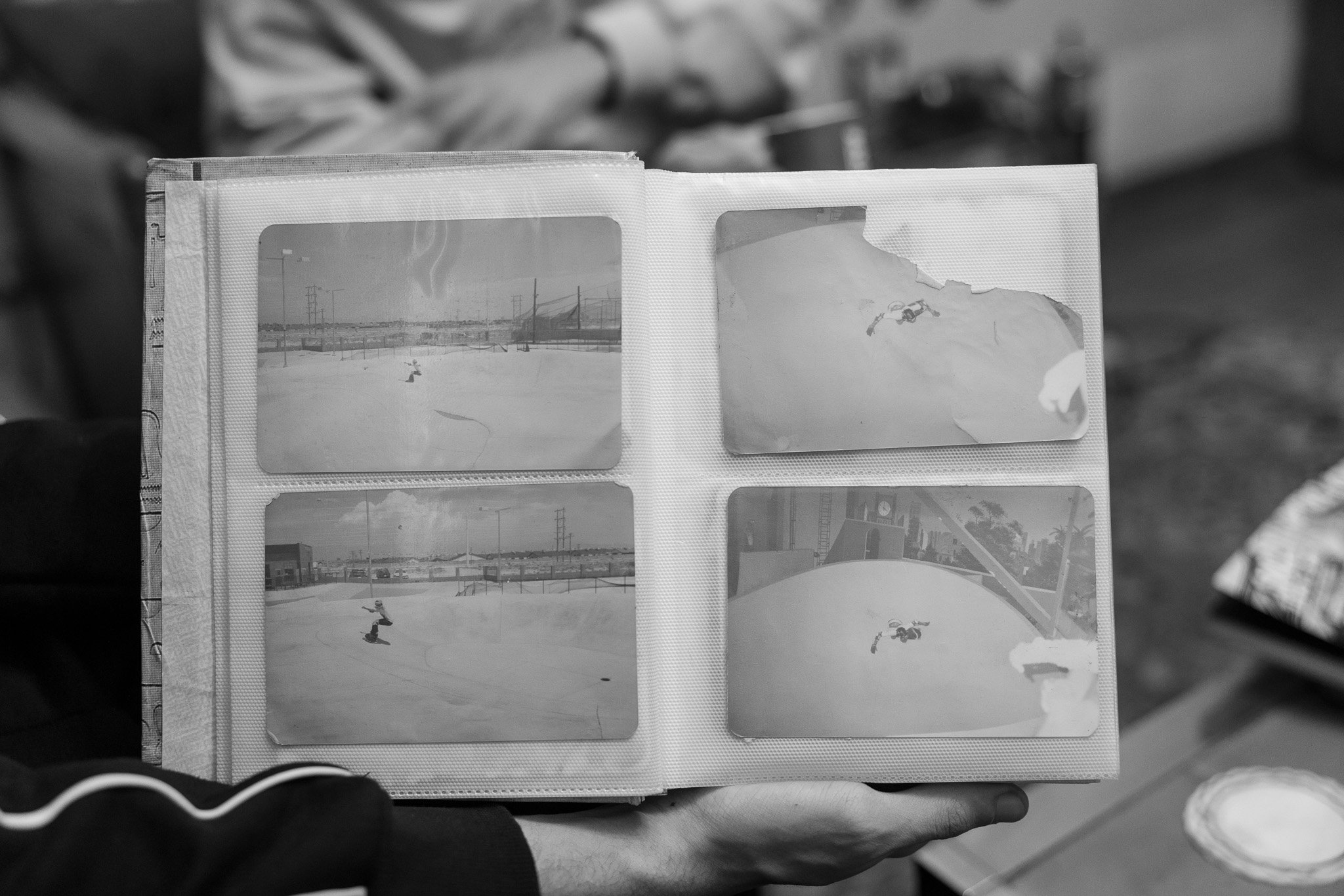
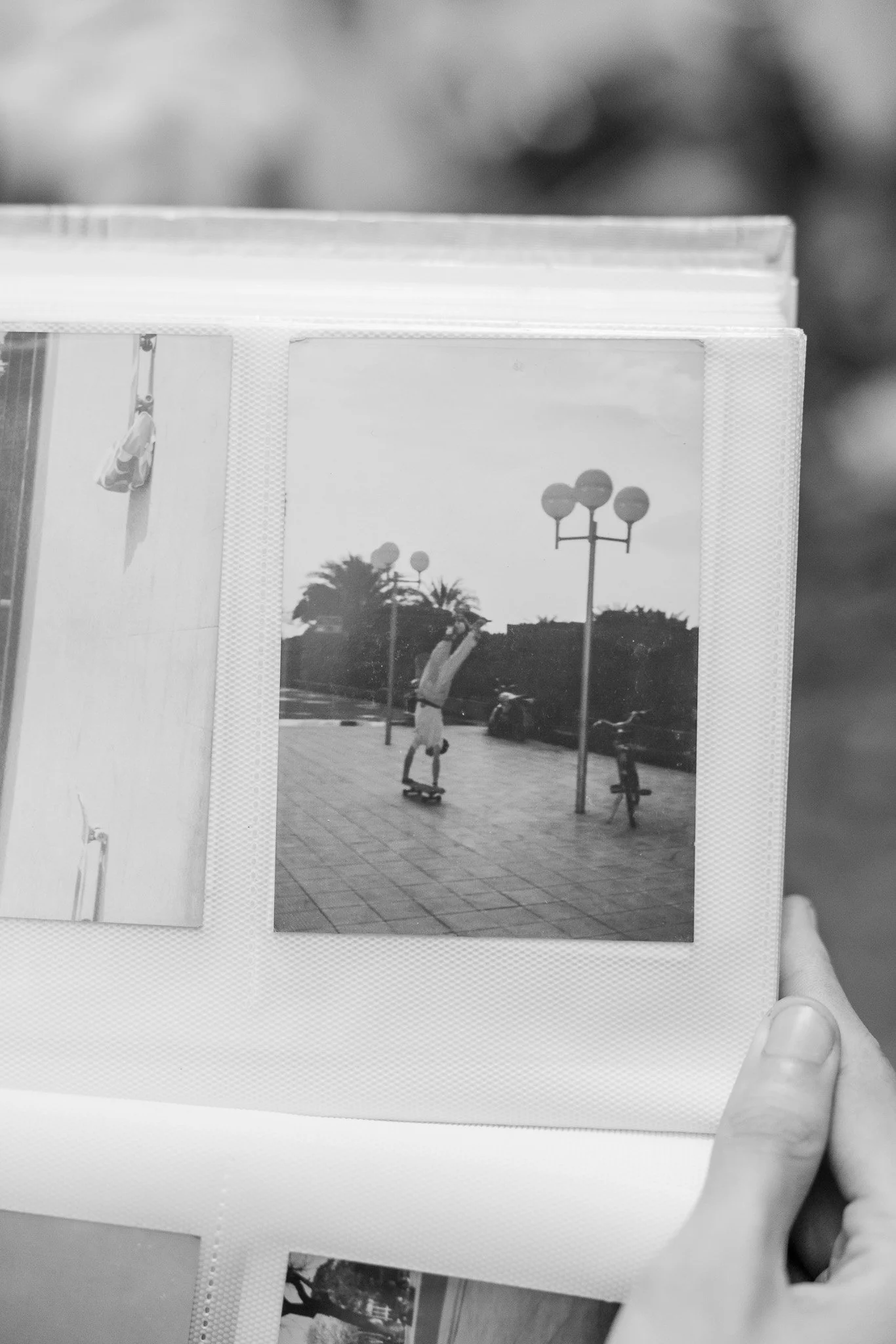
By the early 1980s, he was already deep in the culture. "The first interaction I remember with western skate media was in 1982 through Skateboarder magazine." Later came subscriptions to Thrasher and Transworld, arriving by mail all the way to Cairo like dispatches from another universe. He watched Powell's Bones Brigade videos, Santa Cruz's Risk It and A Reason for Living, Vision and Blockhead tapes — the same films shaping kids in California, filtered through the distance and scarcity of life in Egypt. He was even mentioned in Transworld once, when they covered a competition in Cairo. A kid from Alexandria, in an American skate magazine. In 1982.
Cairo in those years had no infrastructure for any of this. No skateparks. No shops. No scene to speak of. "If your board broke, there wasn't another in the entire country to replace it," Mo says. Gear came from abroad, or from American expats living in Egypt who would mail-order parts for everyone. "If you break your board, you're lucky if you manage to get a new one in a month. Sometimes it takes more than a few months."
He kept going anyway. He built ramps. Fixed trucks with whatever hardware he could find. Skated dusty streets and uneven sidewalks because that was all there was. He remembers skating with foreigners — Americans, Italians, French kids — picking up tricks from whoever happened to be around. He remembers Cairo Foster skating in Maadi in the early '90s, pushing himself hard before returning to the States and eventually joining Enjoi. "I think he loved Egyptian hens," Mo says.
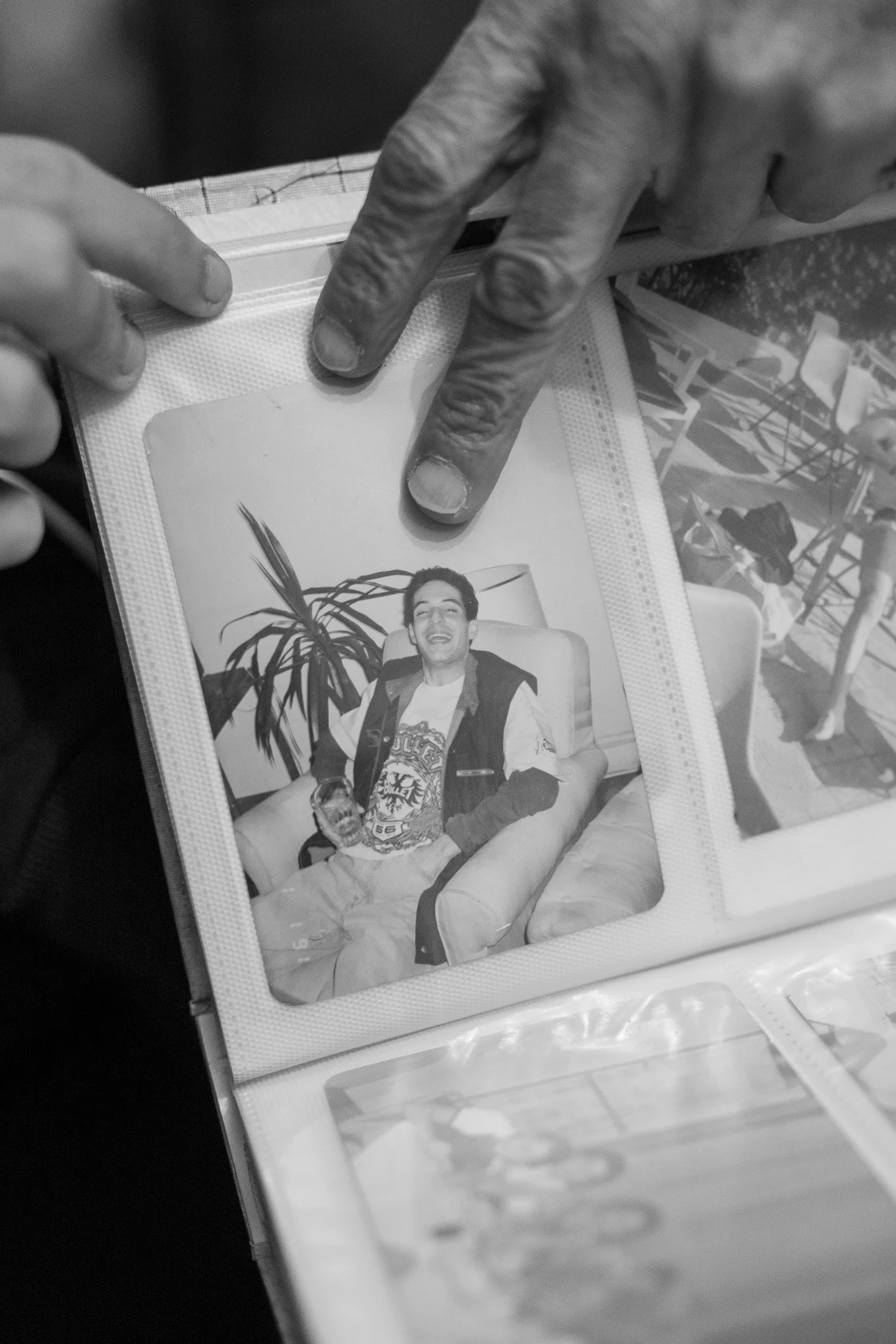
His old photos tell a different story than most skate photos. Las Vegas. European plazas. Hotel courtyards. Places where the ground was smooth and the city planners had accidentally built perfect ledges. He carried a skateboard through airports for decades, long before that was a normal thing to do. In a city where maybe five hundred kids own skateboards today, Mo is the one who's been doing this since before most of them were born.
Now at sixty, the skating looks different. The body doesn't bounce the way it used to. The falls linger. But he still rolls. Still pushes. Still shows up.
When asked what he'd tell his younger self, he doesn't hesitate: "Don't get off your board."
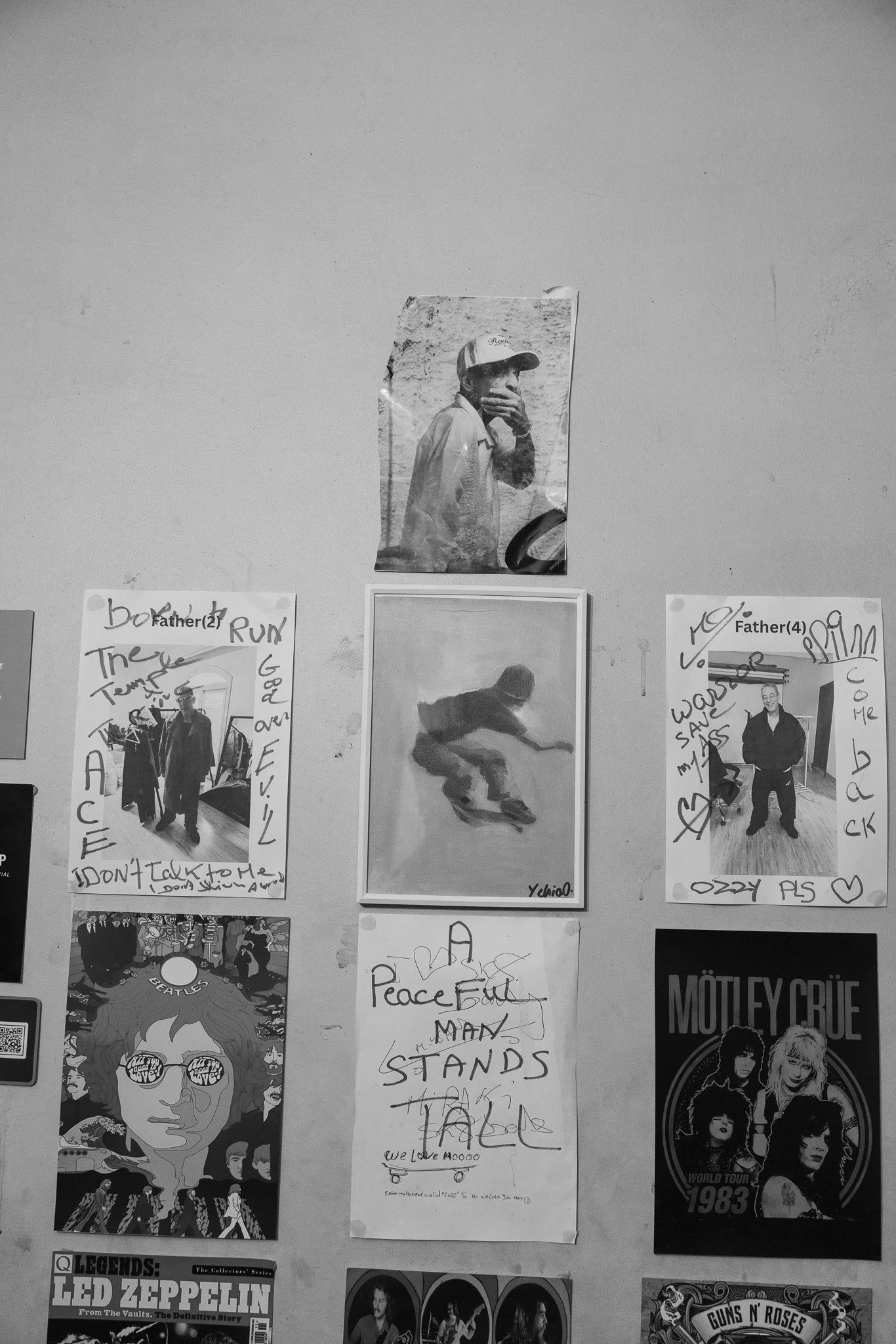
"It's mainly about motivating skaters," he says about his presence in the scene now, "helping them land tricks and pushing their limits."
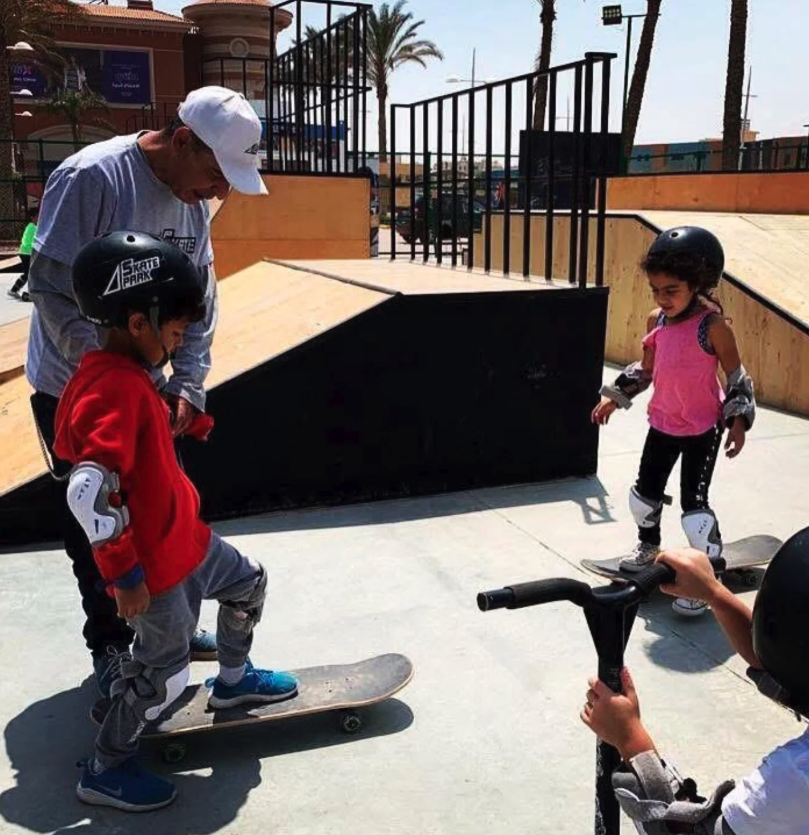
Helping the next Generation
Teaching discipline, resilience, perseverance,
and how to face your fears
What that's worth to a twenty-year-old kid in Cairo who thinks he invented skateboarding is hard to quantify. Mo doesn't try to. He just keeps showing up.
